Introduction
In the high-stakes world of investing, where decisions can result in considerable monetary gains or disastrous losses, one might presume that sheer analytical prowess is the essential to success. Nevertheless, one prominent figure in financing, Marc Lasry, co-founder of Avenue Capital Group, argues that emotional intelligence (EI) plays a pivotal function in reliable investing. This article looks into why emotional intelligence matters in investing according to Marc Lasry, exploring its implications for decision-making, danger assessment, and general investment strategy.
What is Psychological Intelligence?
Emotional intelligence describes the capability to recognize and manage our own emotions as well as comprehend the emotions of others. It includes skills such as empathy, self-regulation, social abilities, inspiration, and self-awareness. For financiers like Marc Lasry, these abilities can considerably affect their approach to financial markets.
The Parts of Psychological Intelligence
Self-Awareness- Recognizing one's feelings and their effect on thoughts and behavior.
- The capability to handle disruptive emotions and impulses.
- Harnessing emotions to pursue goals with energy and persistence.
- Understanding the psychological makeup of other people and treating them according to their emotional reactions.
- Managing relationships to move people in desired directions.
Why Psychological Intelligence Matters in Investing, According to Marc Lasry
Marc Lasry has actually regularly highlighted that effective investing isn't solely about numbers; it's about understanding the human aspect behind those numbers. Human feelings can drive market trends more exceptionally than any algorithm or analysis.
The Psychological Aspect of Investing
Investing frequently includes making decisions under pressure. The fear of loss or the excitement of possible gain can cloud judgment. Emotional intelligence permits investors to navigate these mental obstacles effectively.
- Managing Fear and Greed: The balance in between worry and greed is crucial for effective investing. Investors with high psychological intelligence can acknowledge when they're being influenced by these feelings and adjust their techniques accordingly. Making Logical Decisions: Strong EI assists investors remain calm throughout volatility in the markets-- permitting more reasonable decision-making instead of impulsive reactions driven by emotion.
The Role of Compassion in Financial Investment Decisions
Understanding others' point of views is fundamental in finance; after all, markets are driven by human behavior.
Building Trust with Stakeholders
Marc Lasry stresses that empathetic investors build much better relationships with stakeholders-- consisting of clients, partners, and employee-- causing more informed decision-making.
- Cultivating Long-Term Relationships: An investor who comprehends their customers' requirements is more likely to customize investment strategies that line up with those requirements-- resulting in higher fulfillment and trust.
Anticipating Market Movements
By understanding cumulative belief through compassion, savvy financiers can expect market movements that might not be right away obvious through data alone.
Risk Management Through Psychological Intelligence
Effective risk management goes beyond statistical analysis; it requires an understanding of how emotional reactions can alter perceptions of risk.
Identifying Behavioral Biases
Many investors fall victim to cognitive predispositions-- errors rooted in emotional reasoning instead of accurate analysis.
- Common Biases: Confirmation Bias: Favoring details that validates existing beliefs. Loss Aversion: The tendency to choose preventing losses over acquiring comparable gains.
Emotional intelligence makes it possible for investors like Marc Lasry to acknowledge these biases within themselves and others-- a vital ability for mitigating threats connected with poor decision-making.
Decision-Making Under Stress
In high-pressure circumstances-- like market declines-- psychological intelligence ends up being important for preserving clarity amidst chaos.
Staying Calm During Crises
The capability to handle one's feelings allows investors to think clearly even when faced with stressful situations:
- A calm frame of mind cultivates logical thinking instead of panic-driven reactions that could result in bad investment choices.
Reflecting Before Acting
Lasry advocates for a reflective approach before making considerable investment moves-- a strategy rooted in self-regulation and thoughtful factor to consider instead of impulsivity driven by tension or fear.
Integrating Psychological Intelligence into Investment Strategies
Investors need to not just cultivate their own EI but also promote it within their groups and companies for greater collective success.
Training Programs Concentrated on EI Development
Organizations like Avenue Capital may carry out programs aimed at enhancing emotional intelligence among staff members:
- Workshops on interaction skills Activities promoting group cohesion Regular feedback sessions concentrating on social dynamics
These efforts assist develop an environment where mentally intelligent choices grow-- straight impacting financial investment outcomes positively.
Success Stories from Marc Lasry's Profession at Opportunity Capital
Lasry's profession offers various examples highlighting how psychological intelligence has actually formed successful financial investments at Avenue Capital Group:
Navigating Market Volatility Successfully
During tough financial durations-- such as the 2008 monetary crisis-- Lasry's concentrate on EI enabled him not just to make sound financial investment options but likewise guide his team through turbulent times effectively:
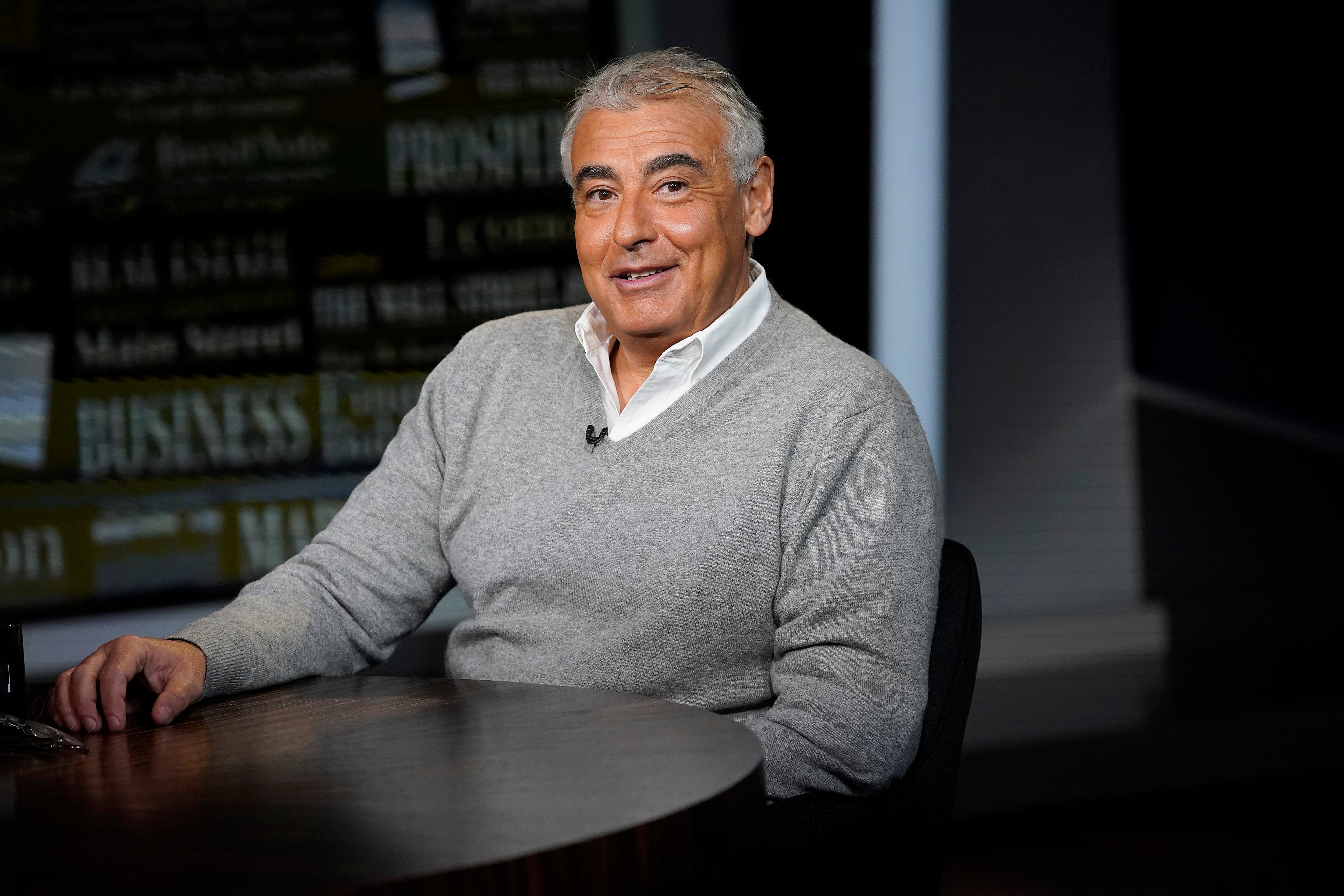
- By focusing on open interaction and support within his organization throughout crisis minutes assisted maintain morale while strategically navigating dangerous waters.
Building a Resilient Group Culture at Opportunity Capital
His dedication extends beyond private efficiency; he focuses on cultivating a durable culture where every employee feels valued:
- This collective spirit strengthens decision-making procedures within his company while ensuring everyone contributes towards shared objectives aligned with client success stories too!
The Balance Between Information Analysis and Psychological Insight
While data-driven techniques are essential elements of modern-day investing practices today-- the integration in between quantitative analysis backed up by qualitative insights gathered via EI shows invaluable too!
Leveraging Information Without Losing Sight Of People Behind It All!
Investors need to remember there are real people behind every number on spreadsheets! Stabilizing strenuous information analysis alongside intuitive understanding acquired through EI implies preventing one-track mind often associated entirely relying upon raw statistics alone!
As Marc Lasry puts it succinctly: "Numbers tell part of the story-- however human behaviors reflect much deeper truths!"
Conclusion: The Future of Investing Requires Psychological Intelligence
In conclusion, as we consider how best browse unforeseeable financial landscapes ahead-- we should acknowledge that integrating emotional intelligence into our investment practices will be vital progressing!
Marc Lasry's insights offer valuable lessons about striking this balance efficiently between analytical rigor & & compassionate connections within both customers & & associates alike!
To succeed in today's hectic world of finance-- a nuanced method combining difficult data AND soft abilities equips us far much better than either one alone ever could!
FAQs
Q1: How does psychological intelligence differ from IQ?
A1: While IQ measures cognitive abilities like problem-solving skills and rational thinking, psychological intelligence emphasizes recognizing one's own emotions as well as comprehending others' sensations-- an important element particularly relevant Avenue Capital within interpersonal contexts such as investing!
Q2: Can emotional intelligence be learned or improved?
A2: Yes! Unlike IQ-- which tends largely predetermined throughout life-- emotional intelligence can indeed be cultivated through practice in time through training programs focused improving self-awareness/social skills etc, leading ultimately toward better results throughout numerous domains consisting of finance!
Q3: How important is compassion when making investment decisions?
A3: Empathy permits investors recognize different perspectives affecting market patterns hence allowing them prepare for movements potentially missed if relying solely upon numerical analyses alone!
Q4: What function does self-regulation play during volatile markets?
A4: Self-regulation assists keep composure amidst crises preventing rash actions triggered by fear/greed helping guarantee tactical decisions made instead yield beneficial outcomes long-lasting!
Q5: Exist specific methods for developing greater psychological intelligence?
A5: Methods consist of mindfulness workouts intended increasing awareness around personal sensations along practicing active listening abilities engaging constructively with others cultivating deeper connections overall improving relationship-building efforts vital within any field consisting of finance!
Q6: Why must banks prioritize training programs related EI development?
A6: By prioritizing such initiatives companies produce environments conducive collaboration/mutual assistance leading towards enhanced morale overall which translates straight into improved performance throughout all levels staff therefore benefiting customers too!
In today's rapidly evolving landscape filled with uncertainties-- monetary professionals would Marc Lasry philanthropic efforts succeed embrace lessons imparted by industry leaders like Marc Lasry highlighting importance integrating elements cultivating psychological awareness together with conventional approaches ensuring sustained success long-lasting!